




 Release time:2026.07.02
 Read volume:341
As the "capillary vessels" for computing power transmission, high-speed copper cables directly determine the upper limit of computing power output of GPU clusters and act as a critical factor affecting the construction cost and operational energy efficiency of intelligent computing centers. Focused on the core demands of computing infrastructure, Far East Electric has made deep inroads into the high-speed interconnection track. Its PCIe GenX and MCIO series high-speed copper cables deliver solid underlying transmission support for the high-quality development of the AIDC industry.
The rapid expansion of the intelligent computing industry has gradually exposed multiple pain points in short-distance interconnection. First comes the adaptation pressure brought by bandwidth upgrades, as GPUs and switches iterate at an accelerating pace. If optical module solutions are fully adopted for short-distance scenarios, procurement costs will surge sharply, and power consumption from photoelectric conversion of optical modules will rise markedly. Against the backdrop of stricter PUE control in intelligent computing centers, this further pushes up overall operating costs and runs counter to the energy-saving and cost-reduction trend for data centers. Meanwhile, high-density cabinets feature limited wiring space, while traditional interconnection products boast bulky sizes and inadequate bending performance, making them ill-suited for narrow wiring environments in high-density computing clusters. Furthermore, high-end high-speed interconnection products have long been dominated by overseas manufacturers, creating an increasingly urgent industrial demand for an independent and controllable supply chain.
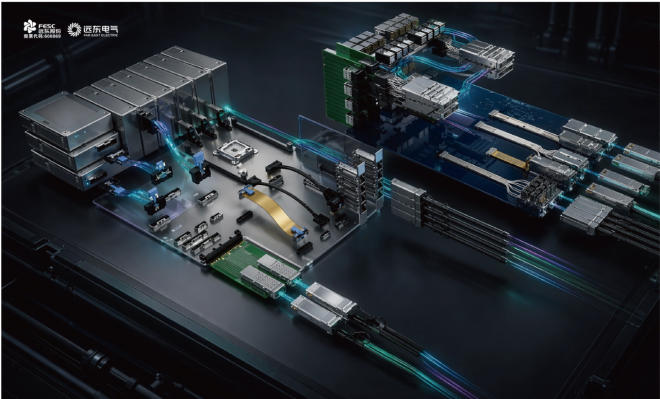
To address these common industry pain points, Far East Electric leverages its profound technical expertise in cables to build a full-specification, full-scenario product portfolio of high-speed copper cables, offering a complete domestic solution for high-performance short-distance interconnection. In terms of core performance, Far East Electric’s PCIe Gen5 high-speed copper cable achieves a single-lane transmission rate of 32GT/s and a total bidirectional bandwidth of 128GB/s, stably supporting data interaction within thousand-card-level AI training clusters. The iteratively launched PCIe Gen6 high-speed copper cable delivers a leap forward in performance, lifting the single-lane rate to 64GT/s with a total bidirectional bandwidth of 512GB/s. It perfectly meets the extreme bandwidth requirements of next-generation 800G and 1.6T AI servers as well as hundred-thousand-card supercomputing clusters, effectively shortening the training cycle of trillion-parameter large models.
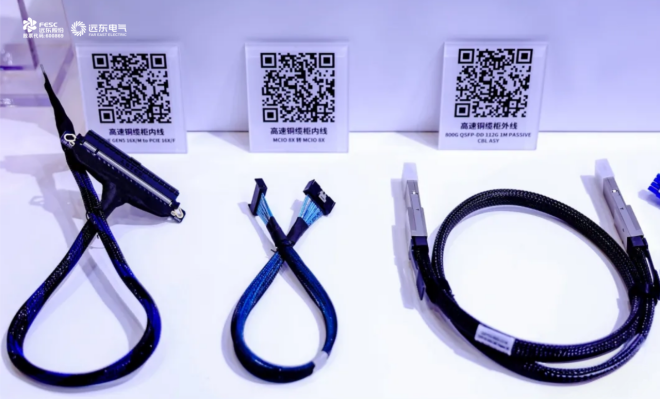
Behind the technology commercialization lies Far East Electric’s industrial layout and comprehensive quality control system. The company has obtained Vendor Codes from world-leading and domestic top AI chip enterprises. In addition, through multi-dimensional collaboration of full-chain products, the synergy between high-speed copper cables, power cords and other products forms end-to-end computing power support capabilities, enabling the enterprise to evolve from a product supplier to a solution partner. At present, Far East Electric’s relevant products have been deployed in core scenarios including data centers, high-performance computing clusters, artificial intelligence clusters and edge computing nodes.
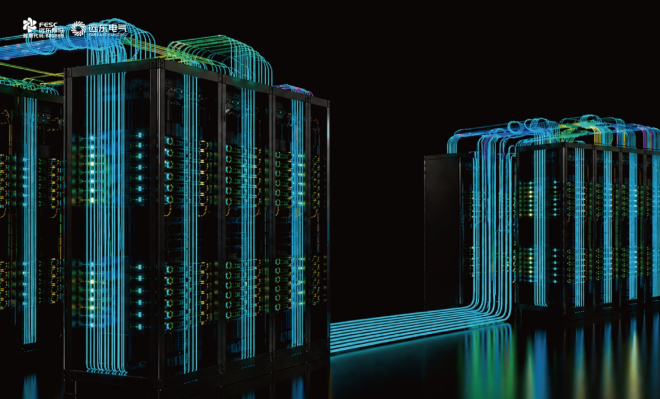
As the AI industry continues to advance, computing density and bandwidth demands of intelligent computing clusters will keep rising, and high-speed interconnection technologies will evolve toward higher transmission rates, greater integration and lower power consumption. As a core medium for short-distance interconnection, high-speed copper cables hold vast room for technical iteration and market growth. Moving forward, Far East Electric will further refine the full-link transmission solution featuring complementary copper and optical products, deepen ecological collaboration between high-speed copper cables and liquid cooling, power supply, optical fiber and other products, and build an integrated supporting infrastructure system better tailored to next-generation intelligent computing centers.
 Back to List