





 Release time:2026.01.06
 Read volume:645
Far East Electric's innovation focuses on the "capillaries" of the robotics industry. From the joint drive of industrial robotic arms to signal transmission in collaborative robots, from the precise control of medical robots to the extreme operations of special robots, Far East has built a full-scenario cable solution centered on "ultra-speed, ultra-fineness, and ultra-stability".
2025 marks a historic turning point for the global robotics industry. In this year, integrated solutions for embodied intelligence and robotics technology achieved large-scale implementation, with capital layout and industrial practice empowering and deeply collaborating with each other. Humanoid robots also completed a crucial leap from technical prototypes in laboratories to mass-produced production tools in factory workshops, officially ushering the industry into the first year of humanoid robot mass production. Amid this wave, high-flexibility cable systems have become the second most important focus of technological investment after AI chips.
Far East Electric has keenly identified the pain points of the industry. Its independently developed high-flexibility signal transmission cables deliver gigabit-level signal fidelity per second, ensuring real-time response to robot commands. The servo signal control cables adopt a structure with high shielding efficiency and bending resistance, enabling stable power transmission even in dynamic operating conditions and electromagnetic interference environments, making every grasp of the robotic arm precise and error-free. Meanwhile, the high-performance drag chain cables have undergone tens of millions of bending tests, boasting a service life far exceeding industry standards and becoming the secret to the "non-stop" operation of industrial automation systems.
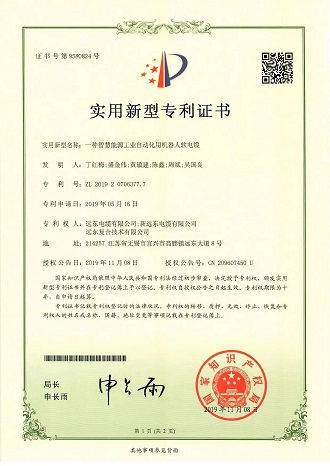
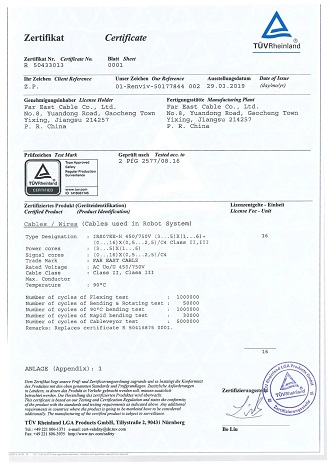
Far East Electric's innovation is not limited to the improvement of a single performance metric. High-flexibility composite cables break through spatial constraints by integrating power, signal and optical cables into one, achieving the ultimate integration of "one cable controlling the entire system". High-performance transmission wires provide stable signals and electric energy for dexterous hands, driving the iterative upgrade of humanoid robots. Behind these breakthroughs lies Far East's in-depth deconstruction of industry demands. When traditional cables suffer from severe wear during high-speed movement, Far East Electric introduced aerospace-grade flexible materials and developed ultra-fine wires with a diameter of only 0.04mm, which enhance bending resistance to the level of tens of millions of cycles while ensuring current-carrying capacity. As human-robot collaboration places increasingly stringent safety requirements, intelligent self-test cables have emerged as the times require—they can real-time monitor micro-damages to the insulation layer and issue early warnings, greatly reducing failure rates.
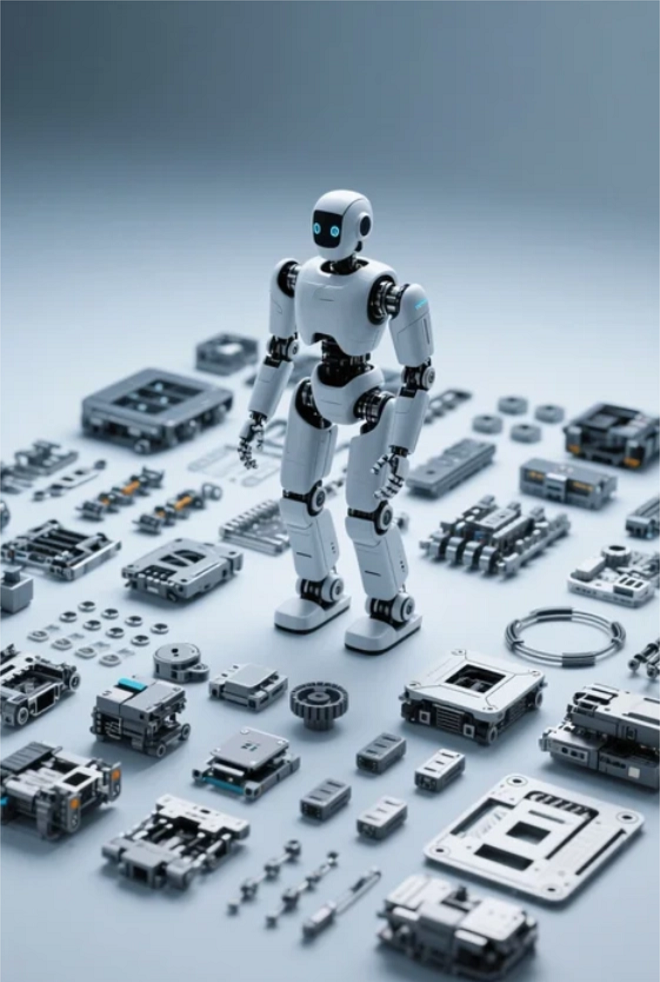
Today, Far East Electric is integrating technologies such as 5G transmission and optical fiber sensing into the new generation of robot cables, turning the cables into the "nerves + blood vessels" of intelligent terminals. This innovation in the "flexible lifeline" may not have the disruptive aura of AI algorithms nor the visual impact of motor drives, but real industrial revolutions often take place at the micro junctions of rigidity and flexibility, conduction and perception. Just as the most delicate human movements rely on the precise feedback of nerve endings, the next stage of competition in the robotics industry may well be hidden in these unassuming "copper cores and iron bones".
 Back to List